A job board is one of the most proven online business models: employers pay to reach candidates, candidates use it for free, and the content (jobs) renews itself every week. The hard part is not the technology. It is choosing a niche, solving the "empty board" problem and charging in a way employers accept. This guide walks through each step.
1. Pick a niche you can win
General job boards compete with giants. Niche boards win because they attract a focused audience that employers cannot reach elsewhere. Good niches combine a clear audience with employers who already struggle to hire:
- Profession: nurses, truck drivers, developers, teachers, hospitality staff.
- Location: a city, island, region or country with weak local options.
- Work style: remote-only, part-time, seasonal, student internships.
- Community: jobs for veterans, women in tech, expats in a particular country.
Quick test: search Google for "[niche] jobs". If the top results are generic aggregators and the audience is large enough to have several hundred employers, you have a viable gap.
2. Choose the software
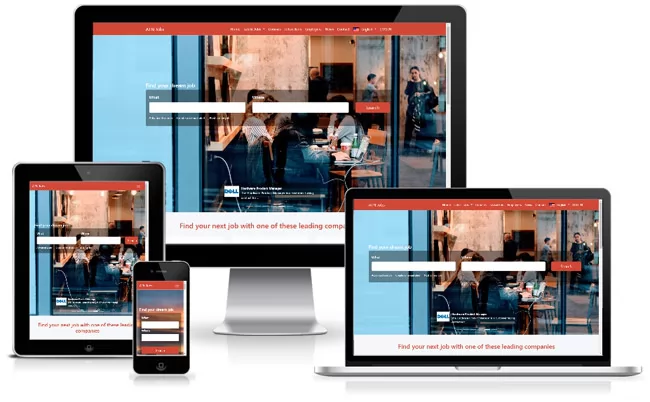
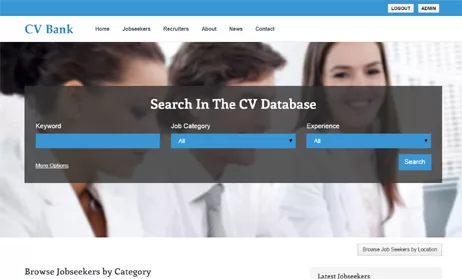
You have three options: a SaaS job board (monthly fees, limited control), a WordPress theme with plugins (cheap but fragile as you add features) or a dedicated PHP job board script that you install on your own hosting. A script such as ATN Jobs gives you employer and jobseeker accounts, resume database, questionnaires, payments and an admin panel in one package, with the full source code if you want to extend it.
Whatever you choose, check that it supports: employer self-service posting, featured jobs, a payment model that fits your plan (subscriptions, credits or pay per post), search by category and location, email alerts and mobile-friendly design.
3. Solve the empty board problem
Employers will not pay to post on a board with no candidates, and candidates will not visit a board with no jobs. Break the loop with these tactics:
- Import aggregator feeds. ATN Jobs can mix feeds from Indeed, SimplyHired and CareerJet with custom weights, so the board has relevant jobs on day one. Clear labelling of external jobs keeps visitors' trust.
- Post jobs manually for the first 20 to 50 employers in your niche. Offer free posting for the first month.
- Collaborate with communities: associations, Facebook groups, newsletters and training schools in your niche.
4. Decide how to charge
| Model | Best when | Watch out for |
|---|---|---|
| Subscription | Employers hire continuously | Needs enough value each month |
| Credits | Mixed one-off and regular employers | Credit packs need clear pricing |
| Pay per job | Occasional employers | Lower lifetime value |
Add upsells: featured jobs, homepage slider placement, banner ads and paid access to the resume database.
5. Get found in Google
Create landing pages for every combination that people search: "[job type] jobs in [city]". Use clean URLs, unique titles, structured data for job postings and fast-loading pages. Our SEO checklist for listing websites covers the technical basics.
6. Launch checklist
- Domain, SSL and hosting (see choosing hosting)
- Payment gateway tested end to end
- Terms, privacy policy and cookie notice
- At least 50 live jobs and 10 employers
- Google Search Console and analytics
Ready to build? Explore ATN Jobs or ask us for a free consultation. We can install it on your hosting for free.