Listing sites can generate huge organic traffic because every category, city and listing is a potential landing page. They also suffer from SEO risks: duplicate content, thin pages and crawling problems. Use this checklist.
1. Information architecture
- Use a simple hierarchy: Home → Category → Location → Listing.
- Keep important pages within three clicks from the homepage.
- Use breadcrumbs and internal links between related categories.
2. URLs
- Short, readable, lowercase, with hyphens:
/plumbers/london/ - Avoid session IDs and unnecessary parameters
- Pick one canonical version (www or non-www, HTTPS)
3. Titles and descriptions
Each page needs a unique title (under about 60 characters) and a unique description that sells the click. Use templates such as "[Category] in [City] | [Brand]" and add the listing count or a benefit.
4. Avoid thin content
A category page with only a list of names is weak. Add an introduction, helpful text, FAQs and filters. For listings, require descriptions of reasonable length and moderate low-quality submissions.
5. Structured data
- LocalBusiness on business listing pages
- JobPosting on job pages
- Product / Offer on classifieds and store items
- BreadcrumbList everywhere
6. Handle expired listings correctly
When a job or ad expires, return a 410 or redirect to the closest category, and remove it from the sitemap. Leaving thousands of dead pages indexed hurts quality signals.
7. Speed and mobile
Compress images (WebP), lazy-load below the fold, minimize scripts and ensure the layout is responsive. Check Core Web Vitals in Search Console.
8. Sitemap and robots
Generate an XML sitemap, submit it to Google Search Console and keep internal search result pages and filters with many parameters out of the index.
9. Links and authority
Get links from local associations, partners, press and relevant blogs. Publish helpful guides in your niche, as we do on this site.
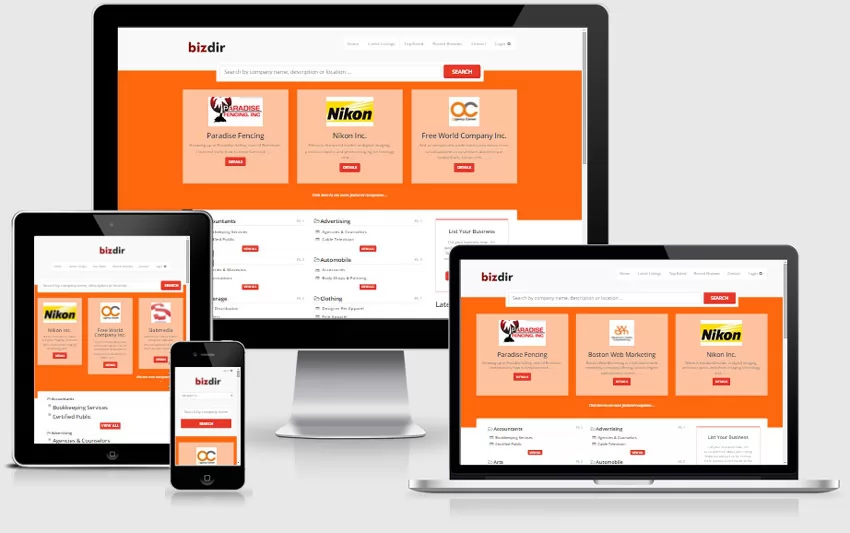
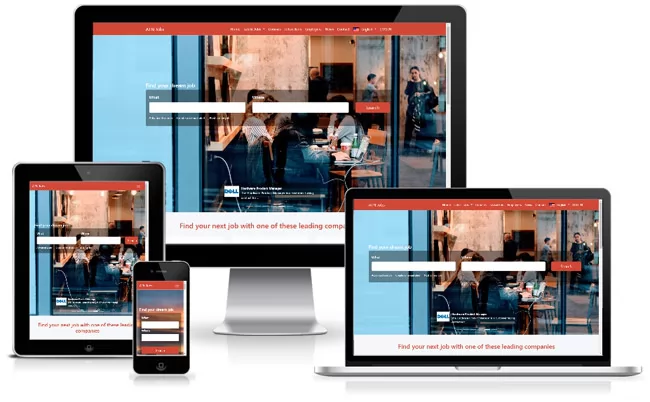
ATN scripts use search-engine friendly URLs, editable meta tags and responsive layouts. Browse the catalog.