Marketplaces connect sellers and buyers and earn a share of the activity. They scale well but need careful launch strategy because you must attract both sides.
Niche first
Do not try to build "the next Amazon". Choose a category where buyers struggle to find what they want and sellers have trouble reaching them: handmade goods, local food, vintage, agricultural products, regional specialties or a local community.
Start with supply
Recruit 20 to 50 quality vendors before launching marketing. Offer free onboarding and help uploading products. Vendors are your content and your credibility.
Revenue models
- Subscription plans for vendor stores
- Setup fee or premium store features
- Advertising and promoted products
- Transaction commissions where payments flow through the platform
Software checklist
- Vendor sign-up with automatic store creation
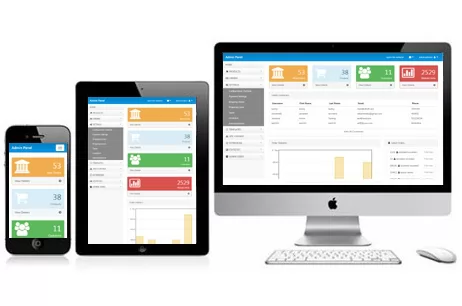
- Vendor dashboard for products, orders and shipping
- Reviews for products and for vendors
- Coupons and loyalty program
- Admin controls: approvals, plans, categories
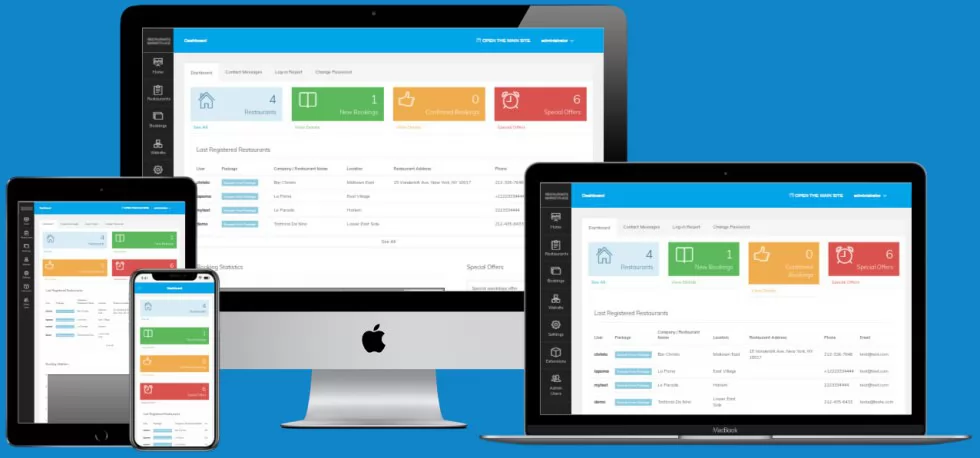
ATN Mall includes all of this. For vertical marketplaces see ATN Multi Restaurants and ATN Multi Hotels.
Trust and quality
Approve vendors, require good photos, support reviews and respond quickly to disputes. A marketplace lives or dies by trust.
Marketing
Local marketplaces grow through partnerships, local media, social groups and SEO on category and vendor pages. Encourage vendors to share their store links, since each store is also a marketing channel for you.